

Those applications work best when the message suits the setting. A window graphic must account for the glass and its surroundings. A trade show display needs to communicate within an unfamiliar space. A promotional banner should give one clear message instead of competing with every other piece of information.
Royal Signs & Awnings helps Houston businesses discuss commercial graphics and promotional displays around those practical needs. Tell us where the material will be used, what it should communicate and whether the application is temporary or intended for longer use. We can review the relevant options and define the available scope for your project.
Start With the Message and the Location
Before choosing a material, decide what the customer needs to understand. The purpose might be to recognize your brand, identify a temporary event location, notice a specific service or find the correct entrance.
That objective should influence the wording and layout. A display seen briefly from a distance needs a different information level from a graphic someone can examine while standing nearby.
Provide photographs of the proposed location and explain how the audience will encounter it. If the display will move between locations, describe those settings too. The strongest starting point is a defined communication task, followed by a format that can support it.
Window Graphics for Business Frontages
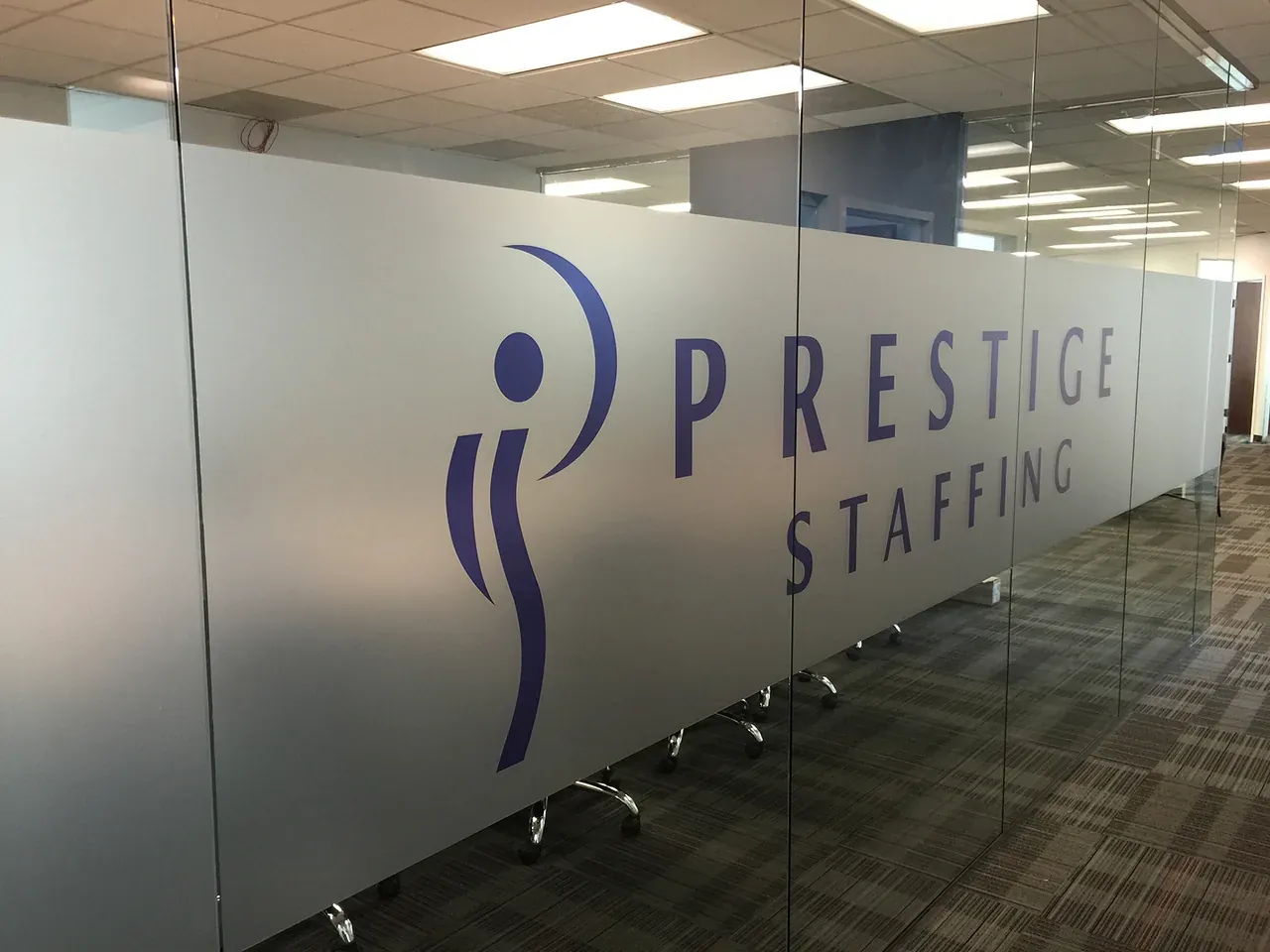
Window graphics can carry branding, opening information or a focused promotional message across selected glass areas. Their layout should relate to the complete storefront rather than treat every pane as an independent advertising space.
Consider doors, frames, sightlines and any information already displayed. Repeating the business name across every surface may create clutter without improving recognition.
Share current frontage photographs and identify which areas are available for graphics. Explain whether maintaining views through the glass matters to the business. The proposed material, coverage and installation arrangement need review for the actual application, with property criteria considered before the design is finalized.
Vinyl Graphics and Applied Branding
Applied graphics can introduce an identity or supporting message on suitable surfaces. The right approach depends on the surface condition, intended appearance and expected use.
A photograph helps explain the setting, but it may not establish whether the surface is suitable. Existing coatings, texture, damage and previous graphics can affect the proposed work.
Tell us whether the application is new or replaces something already installed. Include removal requirements rather than assuming they are part of the new graphic. The quotation should identify the material, placement and agreed preparation responsibilities so the scope describes the complete application instead of only the printed artwork.
Banners With One Clear Purpose
A banner is easier to understand when it has a main message and a deliberate hierarchy. A business name, event title or promotional statement should not compete equally with a long service list and several contact methods.
Explain where the banner will be displayed and how people will view it. Dimensions, artwork and the proposed fixing arrangement should be considered together.
If the banner is associated with a particular event, include the required date and location. Confirm the available production and delivery arrangements before relying on the event deadline. The final proof should make the essential wording easy to identify within the actual proportions of the supplied item.
Trade Show Displays That Introduce the Business
At an exhibition or business event, visitors may be encountering your company for the first time. The display needs to establish who you are and give them a useful reason to begin a conversation.
Start with a short explanation of the offer rather than placing a complete brochure onto the backdrop. Supporting details can be provided through handouts, demonstrations or a conversation with the team attending.
Share the allocated space, event requirements and the items you want to include. The display should be planned around its actual footprint and visitor approach, with any relevant construction, transport and setup requirements identified in the agreed scope.
Printed Backdrops for Events and Presentations
A backdrop can support a presentation, exhibition area or branded photograph setting. The design should account for how it will be viewed and what may stand in front of it. A logo positioned near the bottom may disappear behind furniture or people. A detailed background may make a speaker or product harder to distinguish. These decisions deserve attention before the print layout is approved.
Provide the intended dimensions and a description of the setting. Explain whether the backdrop needs to support photographs, video or general event identification. Confirm the supplied components and setup arrangement rather than assuming the printed surface includes every supporting item.
Branded Table Covers and Supporting Displays
A table cover can help connect a booth or event table to the wider business identity. Its design needs to work with the actual table dimensions and the parts visitors will see.
A logo centered on a flat artwork file may not appear centered once the material is fitted. Important wording should be positioned with the intended presentation in mind.
Share the table measurements, preferred application and any related display artwork. If several items are being ordered together, review their visual relationship. The objective is a coordinated presentation in which each piece supports the same identity without repeating unnecessary information across every available surface.
Canopy Tents and Outdoor Event Branding
A canopy tent may form part of a business event or promotional setup. When branding is included, the message should relate to the visible panels and the way people approach the space.
Use the dedicated Canopy Tent page for the relevant product discussion. Explain the intended use, required artwork and any existing equipment involved.
Do not assume a request for printed branding establishes the complete supplied assembly. Confirm what is included, what the business already owns and what needs separate arrangement. The design should follow the agreed product configuration so important elements are not placed across seams, obstructions or areas with limited visibility.
Keep Different Promotional Items Visually Related
A business may need window graphics, a banner and an event display for the same campaign. Those items should be recognizable as part of one identity, but they do not need identical layouts.
Use shared brand colors, approved logos and a consistent message hierarchy. Then adapt the arrangement to each format.
A wide banner, tall display and table cover offer different proportions and viewing conditions. Forcing the same artwork onto every item can weaken the result. Review the applications together so the campaign remains coordinated while each piece communicates clearly within its own space.
Prepare Artwork for the Actual Output
Send the current logo and any brand guidelines before the production artwork is finalized. Explain which wording must appear and which images or design elements are approved for use.
If the available file is small, flattened or copied from another source, identify that limitation. Artwork preparation may need its own scope before a suitable production file can be created.
The required file settings depend on the product and process. Ask for the appropriate specification instead of applying one general resolution, color or export rule to every item. Retain an editable original so changes can be made without rebuilding the entire design.
Plan Installation, Removal and Future Updates
The quotation should explain whether the work includes supply, fitting, removal or other related services. A printed item and a completed installation are different deliverables.
For applied graphics, discuss the existing surface and any previous material. For reusable displays, confirm the supplied components and the relevant setup information.
If the message is likely to change, explain that before ordering. A short campaign and a continuing business identity may justify different decisions. The aim is to choose an application around its intended use, with the responsibilities and limitations understood rather than discovered after the materials have been produced.
Discuss Your Houston Graphics Project
Call Royal Signs & Awnings at (346) 658-2412 or use the Request a Quote page. Share the intended application, dimensions where available, artwork and the date you are working toward.
For several items, provide a list so the package can be reviewed together. Explain whether you need design support, production, installation or a combination of services. A clear brief helps connect the promotional message to the format and gives the quotation a practical basis.
Graphics and Promotional Display FAQs
Can the same artwork be used across several products?
The identity can remain consistent, but the layout usually needs review for each format. Different proportions, folds, fixing points and viewing conditions can affect where important wording and graphics should appear.
Can you work from an existing business logo?
Send the original artwork and brand guidelines. The files can be reviewed for the proposed application, with any preparation or adaptation identified before the production artwork is approved.
Does a printed graphic include installation?
Only the agreed quotation establishes that. Confirm whether the scope covers supply, fitting, removal, supporting components or other associated work before approving the order.
Can old window graphics be replaced?
Provide photographs and explain the existing material and desired change. Removal, surface condition and the new application need review so the quotation describes the actual work involved.
How do we choose the right display size?
Begin with the available space, audience and viewing conditions. Provide dimensions and event or property criteria so the proposed layout can be considered at the intended proportions.
What should we check on the final proof?
Check the business name, spelling, dates, contact details, logo version and layout. Confirm that the approved design relates to the correct product, dimensions and supplied configuration.